

My dearest readers, fellow seekers of truth and peace,
In a world often fragmented by differences, there are certain spiritual traditions that shine as beacons of unity, compassion, and unwavering faith in the divine essence that binds us all. Today, I wish to share with you a glimpse into one such radiant path: Sikhism. While my own spiritual home is found within the ancient embrace of Sanatana Dharma, my heart resonates deeply with the profound wisdom and universal message of the Sikh Gurus. It is from this place of shared spiritual longing and a deep love for global understanding that I invite you to explore this beautiful tradition with me.
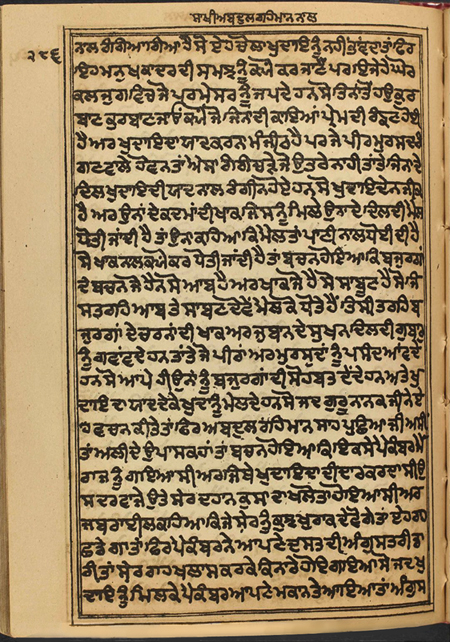
At the very heart of Sikhism lies its foundational principle: Ik Onkar – “There is One God.” This simple yet profound declaration is a powerful echo of the truth that many spiritual paths ultimately point towards: a singular, all-pervading, formless, and eternal Creator. For a soul like mine, which has always sought the unifying thread beneath the tapestry of diverse expressions of the divine, Ik Onkar is a beautiful affirmation. It reminds us that whether we call this ultimate reality Waheguru, Ishvara, Allah, or by a myriad of other names, we are all ultimately bowing to the same boundless light.
This concept immediately fosters an environment of unity. If there is only One Creator, and all of humanity is a creation of that One, then how can there truly be any fundamental division amongst us? This understanding dismantles the walls of dogma and prejudice, inviting us to see each other as fellow travelers on the path back to our shared divine source. It is a spiritual call to dissolve the ego’s boundaries and recognize the sacred spark within every living being.
The Sikh faith was founded in the late 15th century by Guru Nanak Dev Ji, a visionary spiritual master who emerged from a land steeped in diverse religious traditions. Guru Nanak’s teachings were revolutionary for their time, challenging entrenched social norms and advocating for a direct, unmediated relationship with the Divine. He preached against the rigidities of the caste system, a social hierarchy that had caused immense suffering and division, declaring that all humans are equal in the eyes of God.
This principle of equality is not just a theological concept but a living practice within Sikhism. The institution of Langar, the free community kitchen, is a prime example. In every Gurdwara (Sikh temple), people of all backgrounds—rich or poor, any caste, creed, or religion—sit together on the floor as equals, sharing a simple, vegetarian meal. This act of communal eating, nourished by selfless service (seva) from volunteers, is a powerful antidote to pride and division. It is a profound spiritual lesson in humility and the sacred act of sharing, demonstrating practically how a community can thrive on mutual respect and generosity.
The Sikh Gurus further emphasized three core pillars for a righteous life:
These principles forge a path of spiritual practice that is deeply rooted in worldly responsibility and community welfare, reminding us that true spirituality is not an escape from life but a way to live it with purpose, integrity, and compassion.
Perhaps one of the most distinctive aspects of Sikhism, and one that speaks volumes about its commitment to justice and peace, is the concept of the Sant-Sipahi, the “Saint-Soldier.” This ideal embodies a person who is deeply spiritual, meditative, and devoted to God, yet also ready to stand up for righteousness, defend the oppressed, and protect the innocent.
The martial aspect of Sikhism emerged out of necessity, as the community faced severe persecution for its beliefs. The Tenth Guru, Guru Gobind Singh Ji, instituted the Khalsa (the “Pure Ones”), a spiritual brotherhood and sisterhood committed to upholding dharma and justice. This was not a call to aggression, but a solemn vow to protect religious freedom and human dignity, often at great personal cost.
For me, this concept is incredibly inspiring. It illustrates that genuine peace is not merely the absence of conflict, but the active presence of justice. It teaches that while we must cultivate inner peace and love, we also have a sacred duty to stand against injustice and to be courageous in the face of tyranny, not for personal gain, but for the welfare of all. It is a powerful lesson that true spirituality can be both gentle and firm, compassionate and courageous.
The holy scripture of Sikhism is the Guru Granth Sahib, a unique and revered text that holds the status of a living Guru. What makes this scripture so remarkable, and deeply moving to a seeker of universal truths, is its composition. It contains not only the sacred writings of the Sikh Gurus but also the hymns and teachings of various Hindu Bhaktas (saints) and Muslim Sufis.
This inclusion speaks volumes about the expansive and inclusive spirit of Sikhism. It is a testament to the belief that divine wisdom is not exclusive to one tradition, and that truth can be found and expressed through many voices. Reading from the Guru Granth Sahib is like dipping into an ocean of universal wisdom, where messages of love, devotion, equality, and the remembrance of God flow freely, transcending religious labels. It stands as a profound example of interfaith dialogue and mutual respect, a living embodiment of the harmony that can be achieved when hearts are open to truth wherever it may be found.
In closing, Sikhism offers the world not just a religious doctrine, but a practical and profound way of life that champions peace, equality, and unwavering devotion to the One Creator. Its emphasis on selfless service, communal sharing, courageous defense of justice, and universal wisdom from diverse saints provides a powerful blueprint for a more harmonious world.
For anyone seeking to understand the beautiful tapestry of human spirituality, or simply looking for inspiration to live a more purposeful and compassionate life, the radiant path of Sikhism holds invaluable lessons. It reminds us that our shared humanity, our divine essence, and our collective journey towards understanding and peace are far more significant than any perceived differences. Let us all continue to learn from each other, to share our lights, and to build a world where every heart finds its home in the embrace of universal love.