

We’ve all done it. You’re having a perfectly lovely Tuesday, the sun is shining, your coffee is the perfect temperature, and then—BAM—your brain decides to replay that incredibly embarrassing thing you said in 1994 or that business deal you botched because of your ego. Suddenly, you aren’t in 2025 anymore; you’re a prisoner of a ghost. We carry these mistakes like heavy stones in our pockets, wondering why we’re too tired to run toward our future. But here’s the secret: your past is a school, not a prison. It’s time to stop paying rent on a room you don’t live in anymore.
Mistakes are a bit like my Aunt Gladys—they show up unannounced, stay too long, and remind you of everything you’re doing wrong. We tend to treat our past errors as permanent stains on our character rather than temporary lapses in judgment. In my younger days as an entrepreneur, I made choices driven by greed or fear that I later deeply regretted. For years, those memories sat at my dinner table, whispering that I wasn’t the “spiritual” man I claimed to be.
“It’s time to stop paying rent on a room you don’t live in anymore.“
The problem is that when we focus on the “ghost” of a past version of ourselves, we lose sight of the person standing in the mirror today. You cannot be mindful if your mind is full of “should-haves.” Mindfulness teaches us that the only moment that actually exists is this one. If you’re busy arguing with a version of yourself that died ten years ago, you’re missing the miracle of the breath you’re taking right now.
I often tell my disciples: if you’re going to look back, do it like you’re checking your blind spot while driving. A quick glance to stay safe is smart; staring out the back window while moving forward at 60 mph is a recipe for a very expensive insurance claim. Recognize the mistake, acknowledge the pang of it, and then bring your eyes back to the road ahead.
The goal isn’t to forget what happened—that’s called amnesia, and it’s generally frowned upon by doctors. The goal is to strip the shame away from the lesson. Every time I tripped over my own ego in business, it was actually a very expensive tuition payment to the University of Life. Once I realized that, I stopped seeing my “failures” as ghosts and started seeing them as retired professors. They taught me what I needed to know, and now they can go play golf.
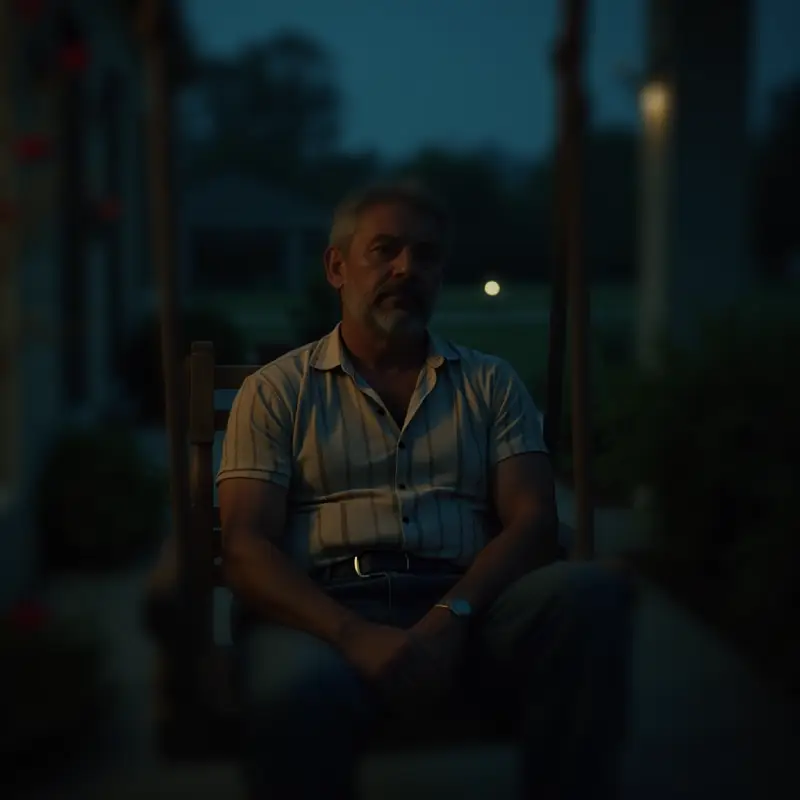
To truly heal, we have to identify the behavior, not just the event. Ask yourself: “What was I trying to protect back then?” Usually, our biggest mistakes come from a place of being hurt, scared, or lonely. When you see that younger version of yourself through the eyes of compassion rather than judgment, the ghost starts to fade. You realize you weren’t “bad”; you were just learning.
Fixing your behavior is the highest form of an apology—to others and to yourself. If you’ve learned not to repeat the mistake, then the mistake has served its purpose. It has no more work to do in your life. You don’t need to keep the fire burning just because you once got burned. Put out the flames, sweep up the ash, and plant something new in that soil.
There is a profound freedom in saying, “I am not that person anymore.” I remember a time when I held onto a grudge against myself for a failed partnership that cost people money. It ate at me until I sat in silence one morning and realized that the “Amadeo” who made those choices doesn’t exist anymore. Every cell in my body has been replaced since then; my heart has been softened by years of meditation. Why was I punishing a man who wasn’t even there?
Healing these memories requires a conscious “release ceremony.” For some of my students, this involves writing the mistake on a piece of paper and literally burning it (please, do this outside and not near my Florida palm trees). For others, it’s a daily mantra: “I honor the lesson, but I release the weight.” You have to give yourself permission to be happy, even if you weren’t perfect in the past.

Imagine your life is a beautiful house. Would you fill your living room with bags of trash from five years ago? Of course not! You’d be the talk of the neighborhood, and not in the good way. Your mind deserves the same cleanliness. Evict the ghosts. Change the locks. If the past knocks, you don’t have to answer the door. You’re busy living in the kitchen where the light is better.
When we finally drop the heavy luggage of our “bad” memories, something miraculous happens: we start to float. We become jovial, lighter, and more capable of loving others. You can’t hold someone else’s hand if you’re too busy clutching your own past failures. By leaving those ghosts behind, you open up space for a future that isn’t just a repeat of the past, but a brand-new composition.
I look at my life now—the talks I give, the people I help—and I know it’s only possible because I stopped letting my “business shark” past bite my “mindful” present. I’ve forgiven that younger Amadeo. He was doing his best with what he knew. And I’m doing my best with what I know now. That’s all any of us can do. We are all works in progress, covered in a bit of dust and a few scratches, but beautiful nonetheless.
So, my friend, take a deep breath. Feel the Florida sunshine (or your local equivalent) on your skin. That mistake you’re thinking about? It’s over. It’s a story, not a sentence. Cry if you must—tears are just the soul’s way of washing the windows—but then dry your eyes and tell a joke. Life is too short to be spent in a graveyard of “could-haves.” Walk into your future with empty hands and a full heart.